Test 01Tue 27
Nib Test
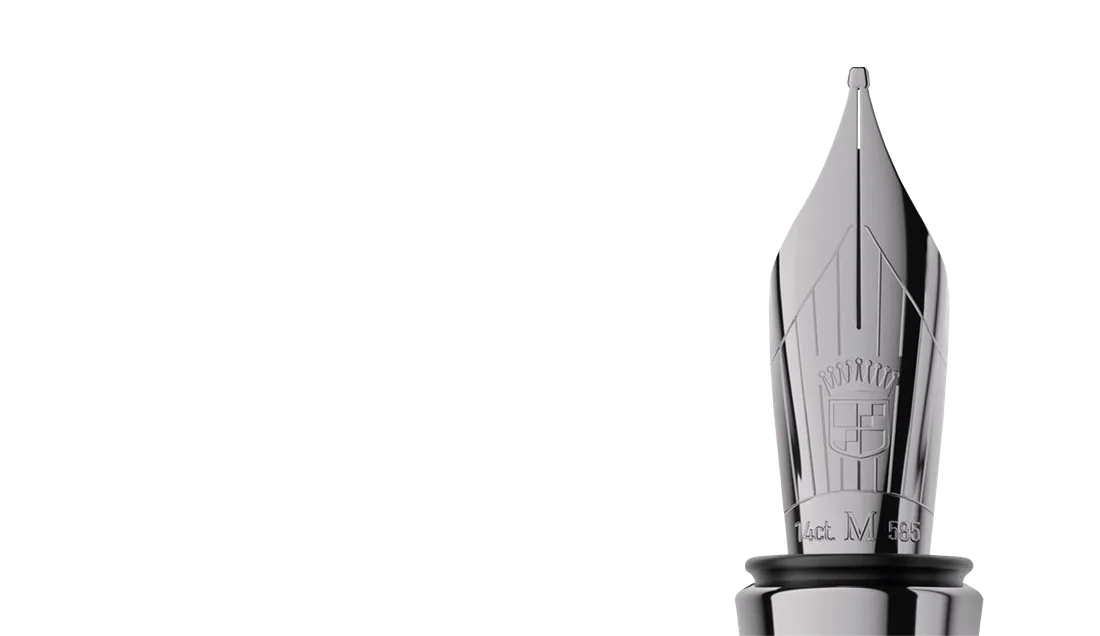
It all begins at the tip.
Find the nib that suits your hand.

Pen Week 2026 · The Writing Lab
Touch writes too.
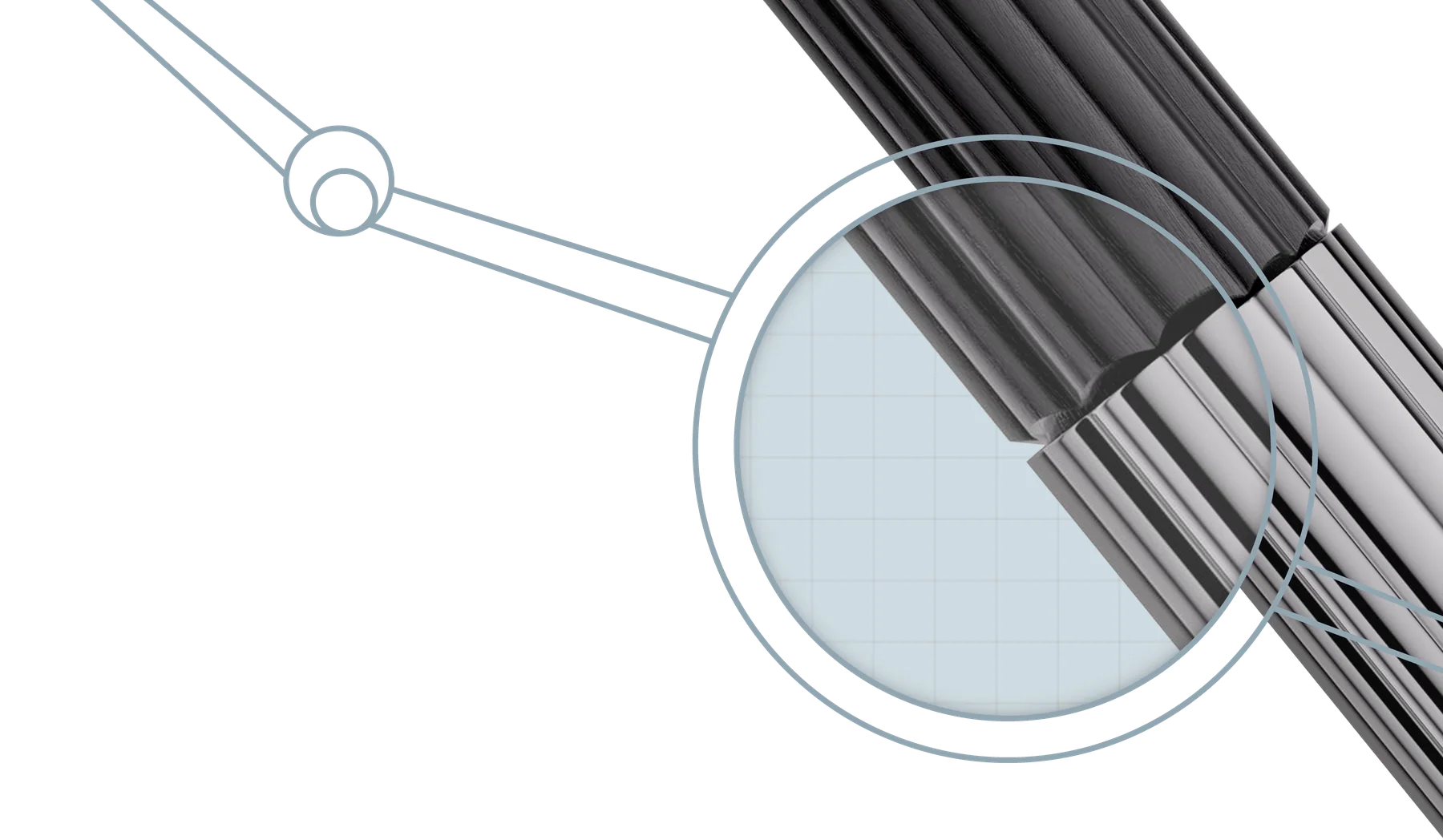
Resin, metal, wood or even volcanic lava. A fountain pen’s material determines far more than its appearance. Discover how it shapes what you feel as you write, and find the one that suits you best.
02 — The material
Each material offers something different.
Some fountain pens surprise us even before they touch the paper.
Some are light and smooth. Others feel reassuringly solid. There are perfectly polished surfaces, natural textures and finishes that seem to shift with the light.
Material influences how we perceive a fountain pen, how we hold it and how much we enjoy using it.
Because writing isn’t only a visual experience. It’s a tactile one too.
01 — THE MATERIALS
Not every material feels the same in your hand. Some stand out for their lightness, others for their solidity, their texture or their uniqueness.
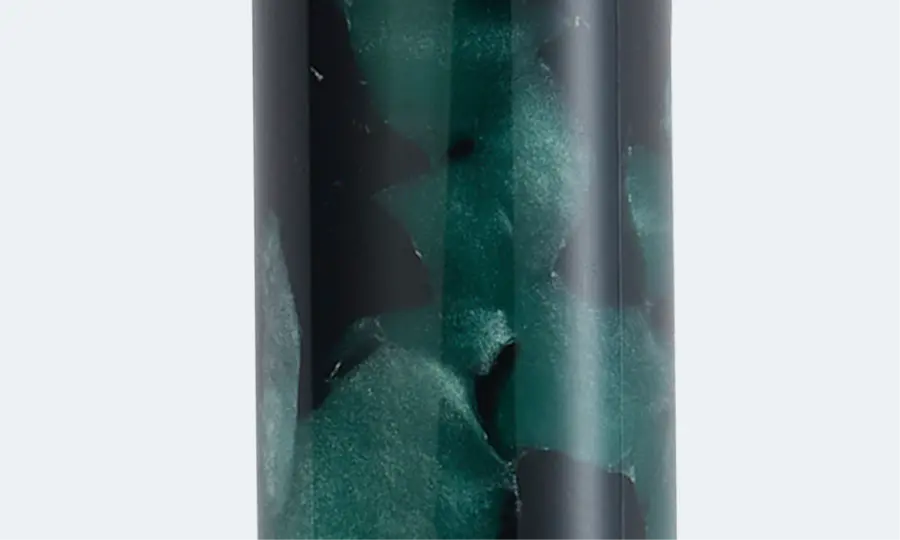
Light, pleasant to the touch and able to take on countless colours and finishes. Resin allows for fountain pens that are understated or full of personality.
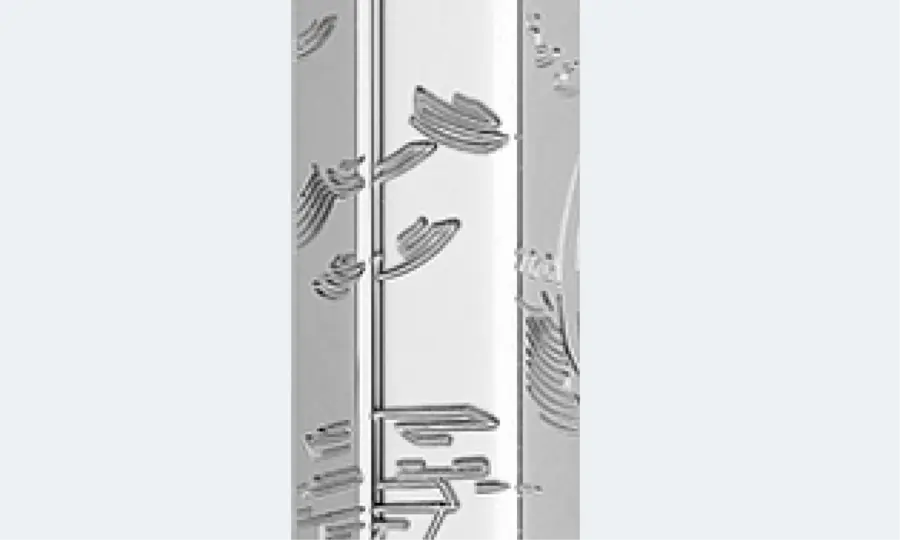
From lightweight aluminium to denser brass, metals bring a sense of temperature, weight and solidity that can transform the experience.
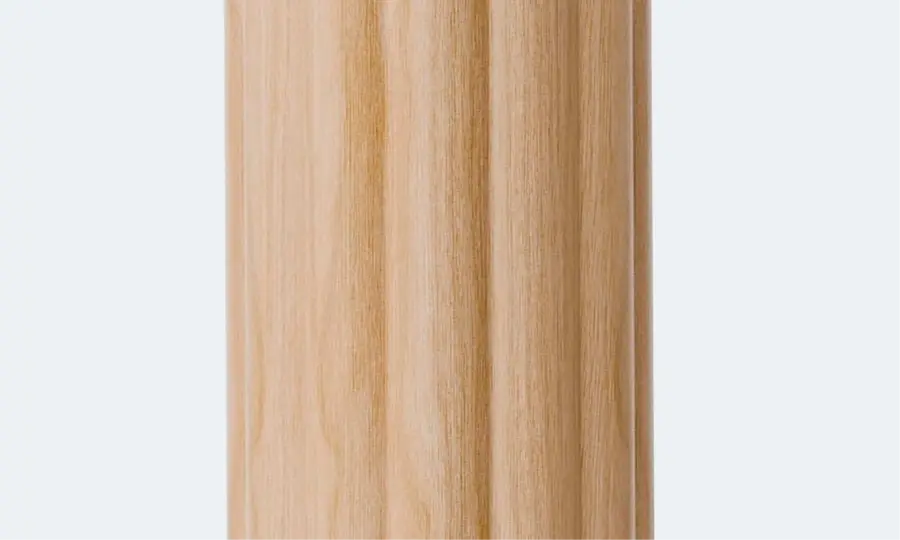
Grain, tones and small variations that give each piece a character of its own. A material that connects writing with nature.
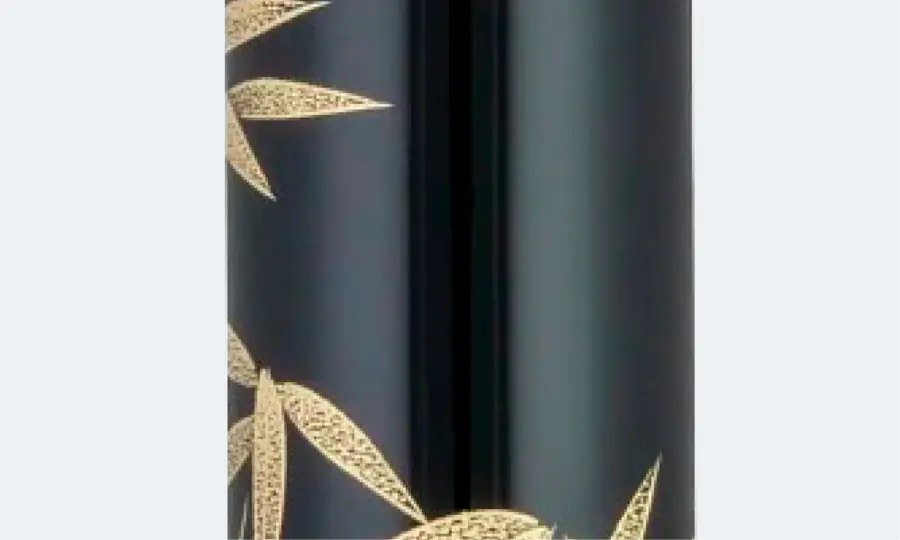
Ebonite is a historic material in the world of writing. Combined with Japanese Urushi lacquer, it can become an expression of craftsmanship and tradition.
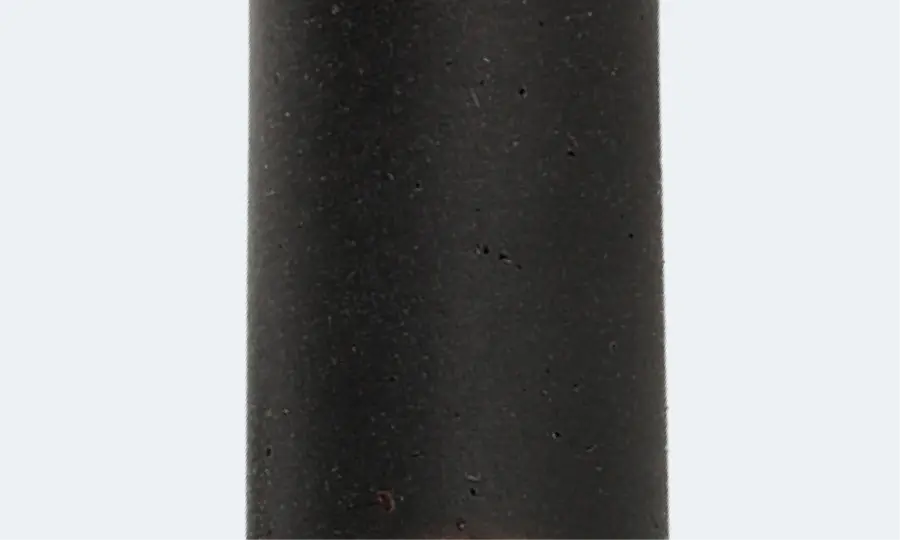
The Visconti Homo Sapiens features a basalt lava compound that gives it a distinctive surface and feel.
A smooth, polished surface can be pleasing for its uniformity.
But some materials owe their personality precisely to their texture, grain or small irregularities.
There’s no universally better feel. The question is which one you’d rather have in your hand.
Metal can feel cool at first and gradually take on the warmth of your hand.
Wood and certain resins feel different in temperature.
Small details that can shape our relationship with a writing instrument.
Some materials allow for virtually identical finishes.
Others feature patterns, grain or variations that make each piece slightly different.
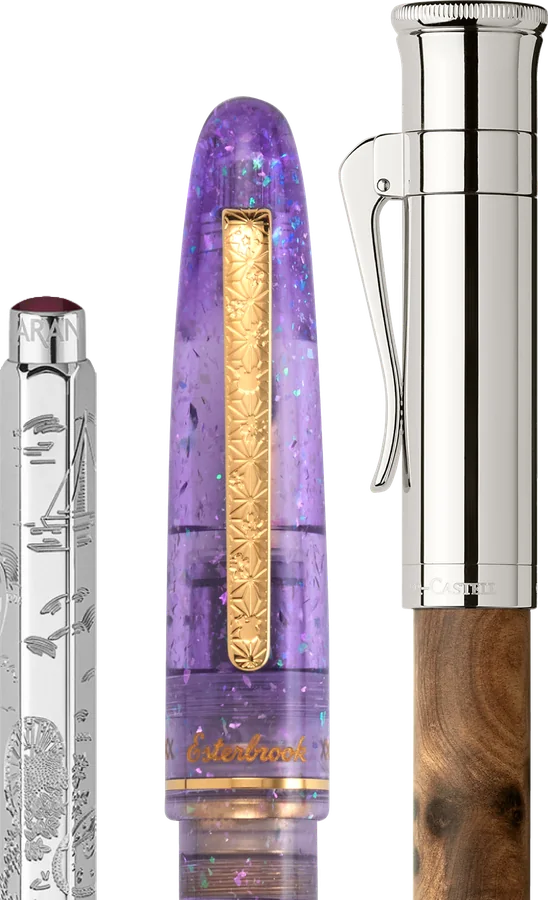
Esterbrook’s resins, Graf von Faber-Castell’s woods and Namiki’s craft techniques each interpret uniqueness in their own way.
A resin fountain pen can be surprisingly light. A metal one can offer greater presence.
But material isn’t everything. Size, internal mechanisms and weight distribution also influence how a fountain pen feels.
More weight doesn’t necessarily mean higher quality.
Some materials appeal to us for their properties. Others, for their history.
Ebonite connects us to the origins of the modern fountain pen. Wood brings nature’s individuality. Urushi lacquer embodies a Japanese craft tradition. And volcanic lava proves there are still new ways to experiment.
Material can be a form of expression too.
Iguana Magazine · Writing guide
Discover how material transforms your fountain pen.
From the lightness of resin to the solidity of metal, the warmth of wood or the tradition of Japanese lacquer. Explore the materials that give writing instruments their personality and see how they shape the way a pen feels in use.
03 — The experiment
You’ve seen some of the sensations different materials can offer. Now it’s time to find out which ones come closest to your own preferences.
Three questions. Three choices.
One personalised recommendation.
04 — The results
Discover the fountain pens we’ve selected for every way writing can feel.
Result 01 — Resin
You’re drawn to comfort, smooth surfaces and the freedom to choose from different colours and finishes.
Resin fountain pens can offer you a light, versatile experience, with designs ranging from understated elegance to bold, expressive patterns.
We’ve selected fountain pens with materials and finishes that may match your preferences.
Your result is meant as a guide. How a pen ultimately feels also depends on its size, weight and finish, and on the way you hold it.
05 — Iguana Personal Advisor
The Writing Lab tests are the starting point for discovering your preferences. But choosing a fountain pen also means finding the one that suits your hand, your writing and the way you like to use it.
Thinking of buying a fountain pen?
Our team of specialists can help you choose, with your needs, preferences and budget in mind.
Book an appointment with our team for personalised advice.
Book an appointment06 — The Writing Lab · Special experience
Because everyone’s handwriting is as unique as they are.
At The Writing Lab we explore writing instruments, but there’s something that makes them truly personal: the way you write.
Graphology invites us to look at the strokes, slant and size of our letters and explore what they might suggest about our personality.
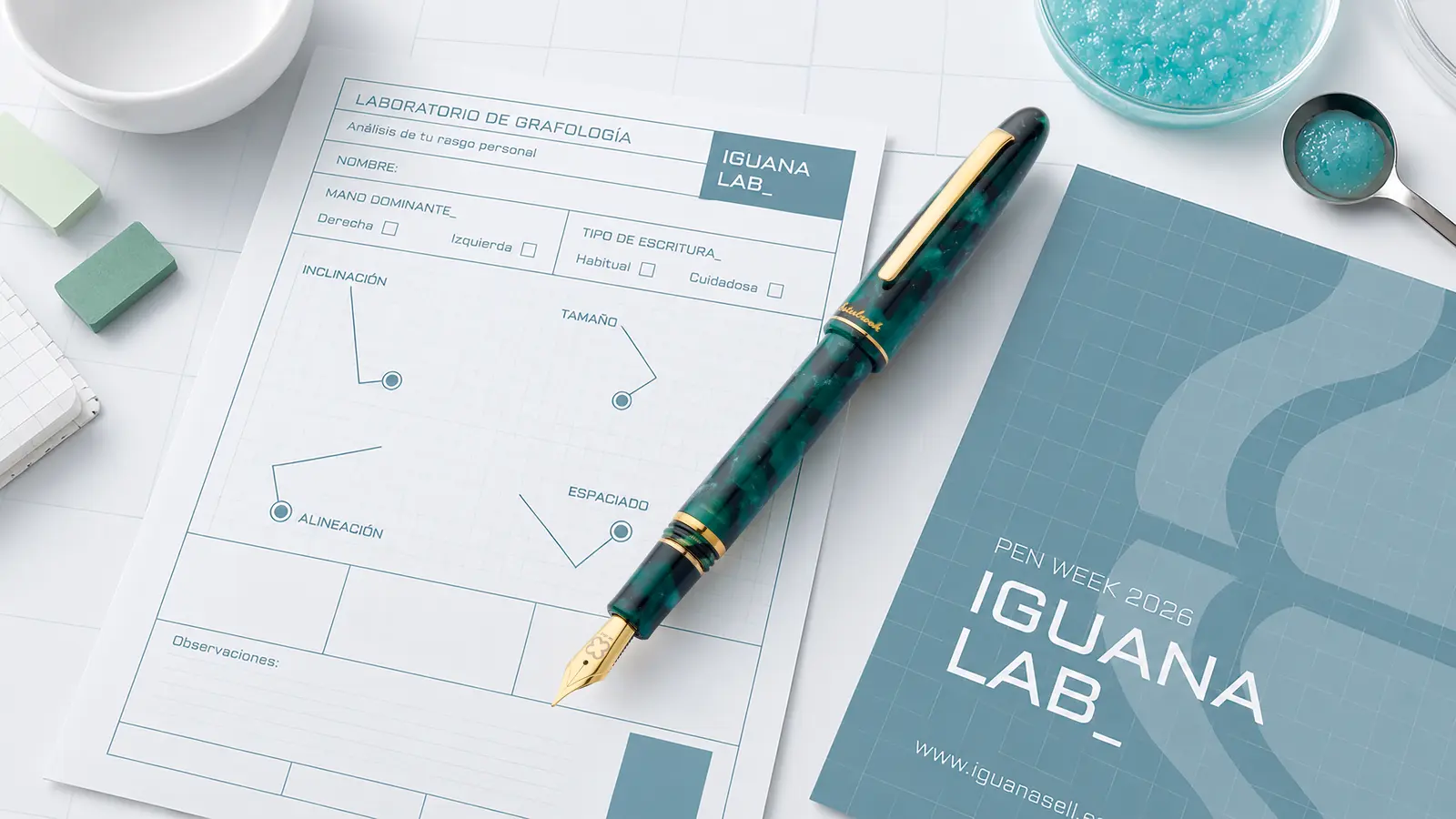
Graphology offers interpretations for guidance only, not scientifically validated personality assessments.
07 — Analysis
Six ways to explore your writing. Find out which features suit you best through short interactive experiences.
It all begins at the tip.
Find the nib that suits your hand.
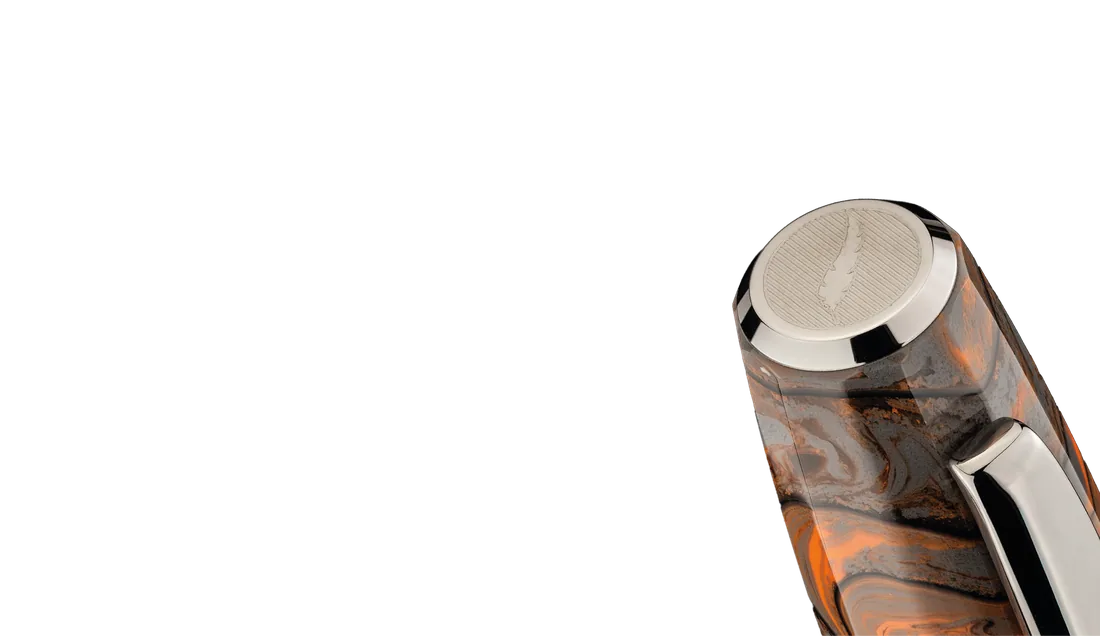
Touch writes too.
Find the material that feels like you.
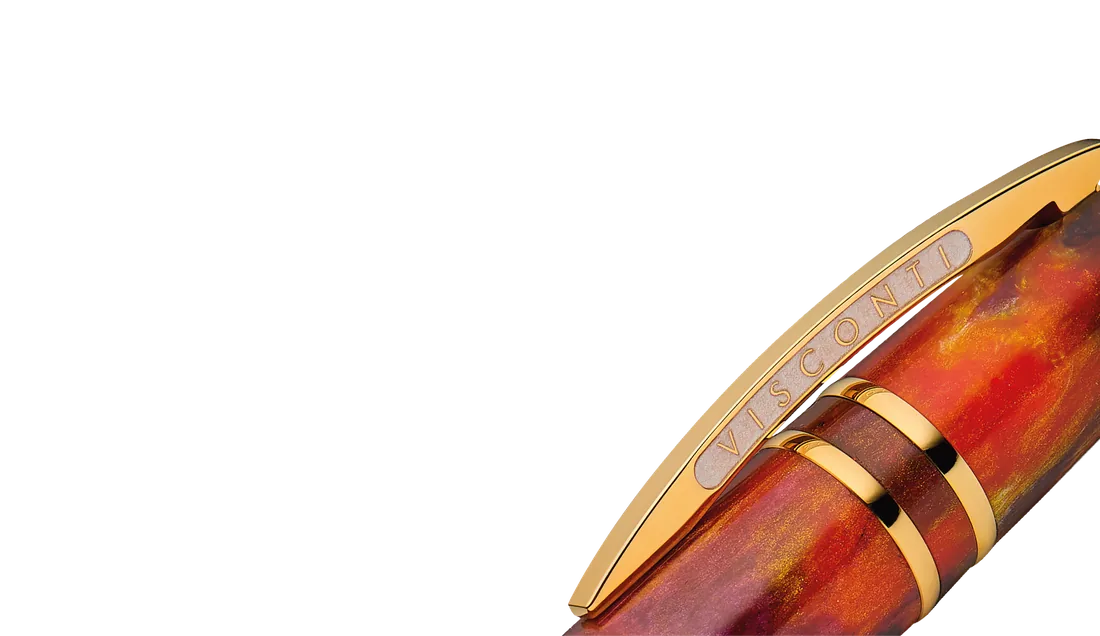
Your style writes too.
Find the design that says who you are.
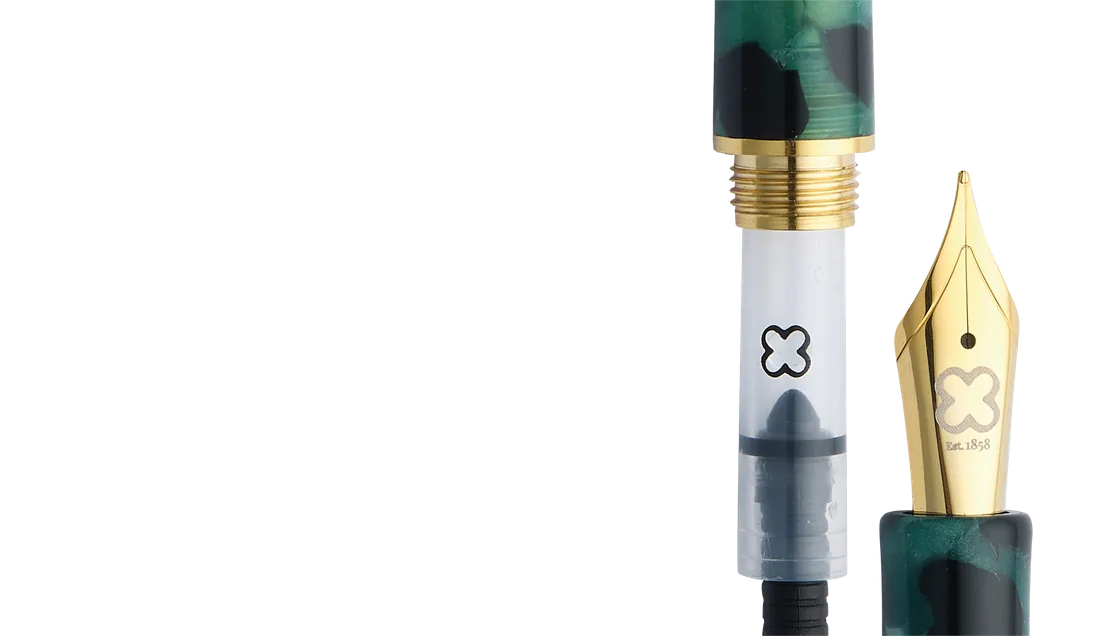
Every pen has its ritual.
Find your filling system.
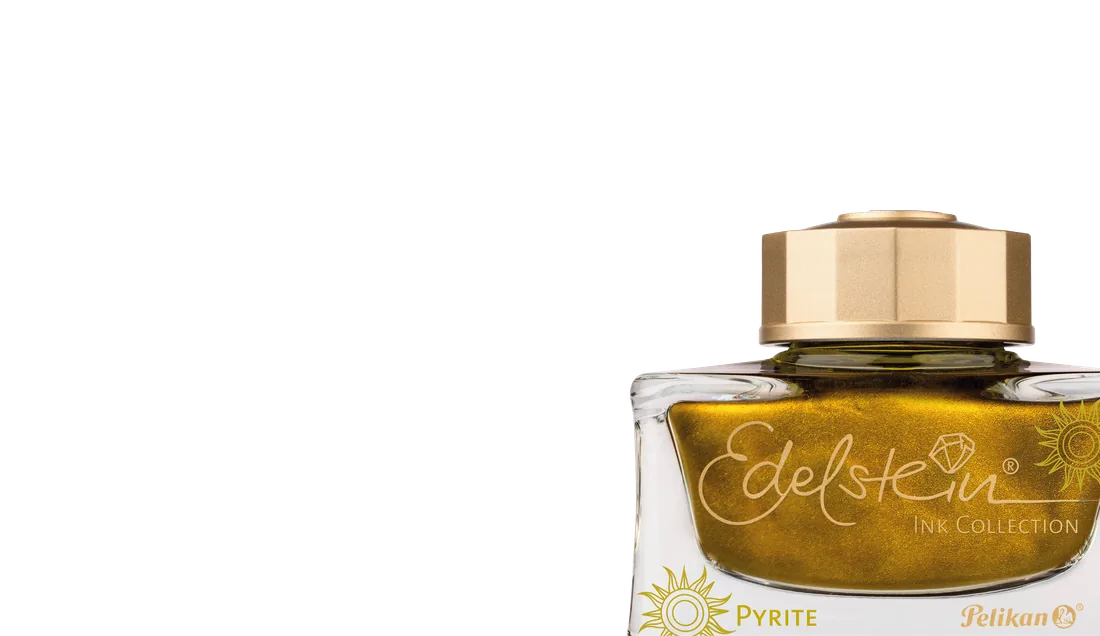
Bring colour to your words.
Find the ink that’s unmistakably you.
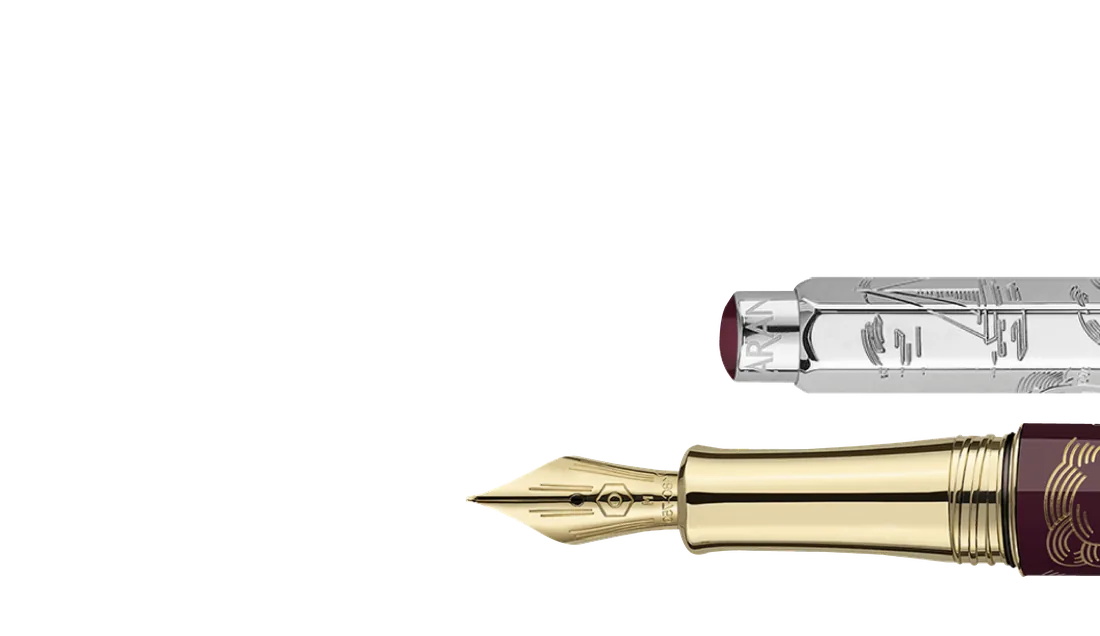
Weight changes the feel.
Discover your ideal pen weight.